
Sydney
AUSTRALIA
I called Sydney home for about fifteen years, getting to know its harbor, beaches, neighborhoods and food along the way.
SYDNEY AT A GLANCE

Harbor · Beaches · Food · Neighborhoods
BEST FOR

IDEAL STAY
4 to 7 days

PACE
City + coast

BEST TIME
Year-round

Blue Mountains · Melbourne · Southeast Queensland
PAIRS WELL WITH
WHY SYDNEY
Sydney is the city I called home for about fifteen years, and it still stops me when I come back.
I lived in Darlinghurst, Surry Hills and Potts Point, and spent years getting to know the city well beyond its most famous sights.
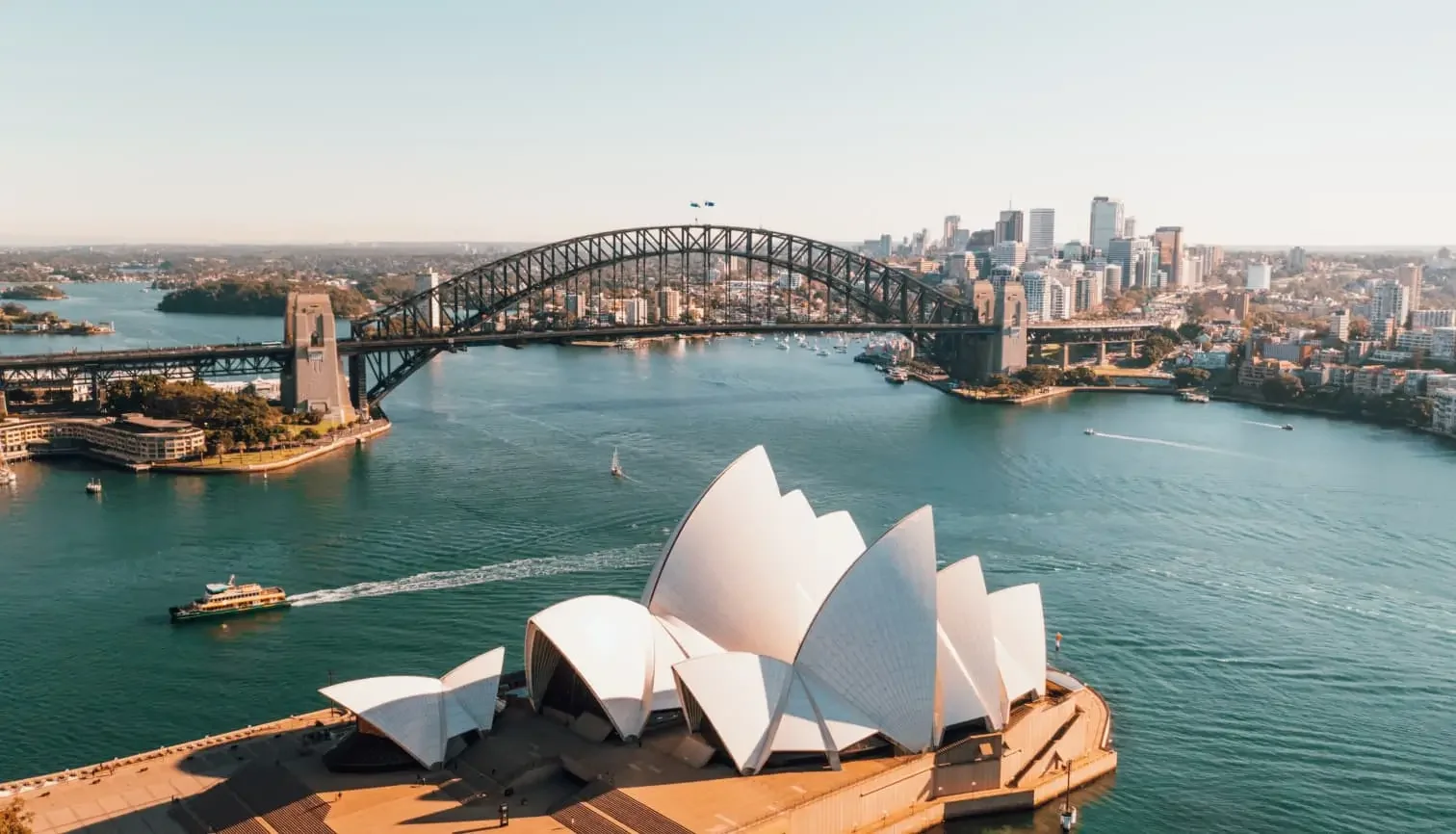
The Opera House, Harbour Bridge and Bondi deserve their place on a first visit, but Sydney becomes much more interesting when you give it time. A long lunch by the water. A ferry across the harbor. A morning walking the coast. An evening in one of the inner-city neighborhoods I used to call home.
Some of my strongest memories here are tied to simple moments rather than landmarks. I celebrated my 30th birthday at Opera Bar beneath the Harbour Bridge, and I still remember how Sydney felt that night.
That personal connection shapes the way I plan the city now. I’ll help you see the icons, but also build in the neighborhoods, coast, food and pacing that make Sydney feel like more than a checklist.
HIGHLIGHTS
Sydney is a city of neighborhoods, beaches and harbor views. These are the experiences that reveal what makes it special.
Sydney Harbour
Sydney Harbour is the city’s defining feature, and one of the best ways to experience it is from the water.
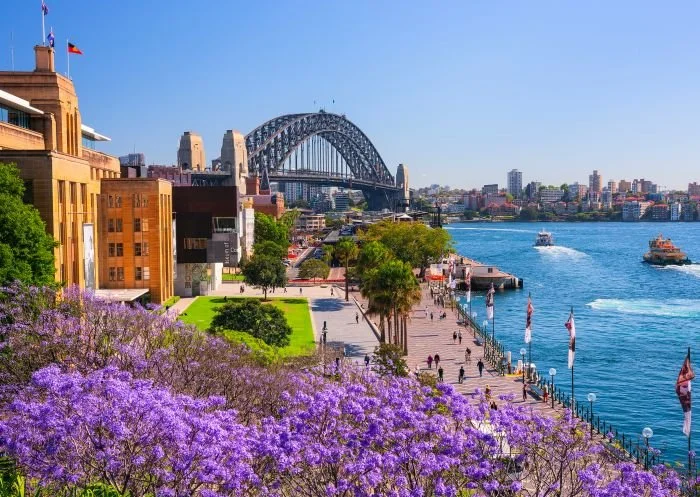
Spend time around Circular Quay, the Opera House and Harbour Bridge, then take a ferry to see the city from a completely different perspective.
Beaches & Coastal Walks
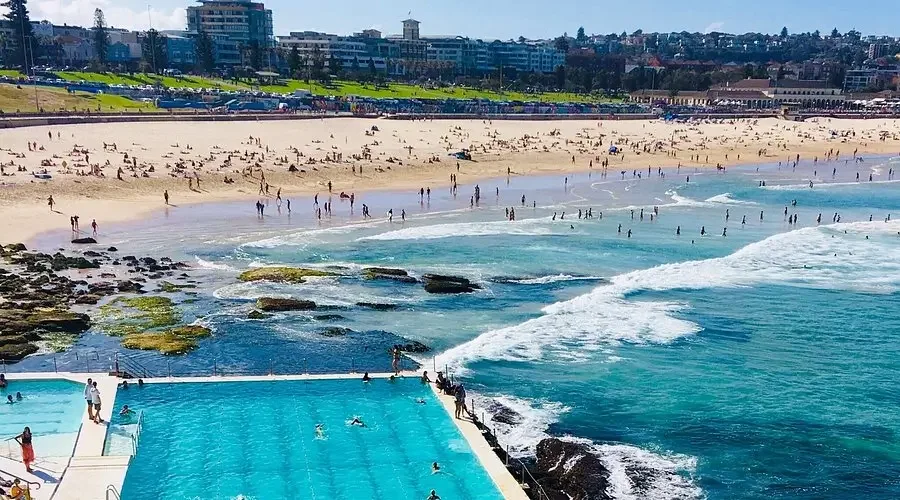
Sydney’s beaches are part of everyday life, not just places to visit.
Bondi, Coogee, Manly and the smaller coastal pockets in between combine swimming, cliff walks and neighborhood life in a way that feels distinctly Sydney.
Neighborhoods, Food, Local Life
Surry Hills, Darlinghurst and Potts Point were part of my everyday life in Sydney and remain some of the areas I most enjoy returning to.
This is where the city feels more local, with cafés, restaurants, bars and streets that reward taking your time.
Blue Mountains & Beyond
The Blue Mountains offer a completely different side of New South Wales within easy reach of Sydney.
Lookouts, walking trails, sandstone cliffs and eucalyptus forest make an easy contrast to the coast, whether you visit for the day or stay a little longer.
WHEN TO GO
Sydney works well year-round, but the experience changes with the seasons.
Summer, December to February.
Long days, beach weather and a lively atmosphere, but Christmas and New Year can also mean higher demand and busier hotels.
Autumn, March to May.
Especially comfortable for exploring the city, walking the coast and spending time outdoors, with generally mild temperatures and fewer extremes.
Winter, June to August.
Cooler and quieter, but still very workable for sightseeing, dining and harbor time, particularly if you are combining Sydney with other parts of Australia.
Spring, September to November.
Just as comfortable for the city and the coast, with the same mild temperatures and fewer extremes.
A TASTE OF THE ADVENTURE
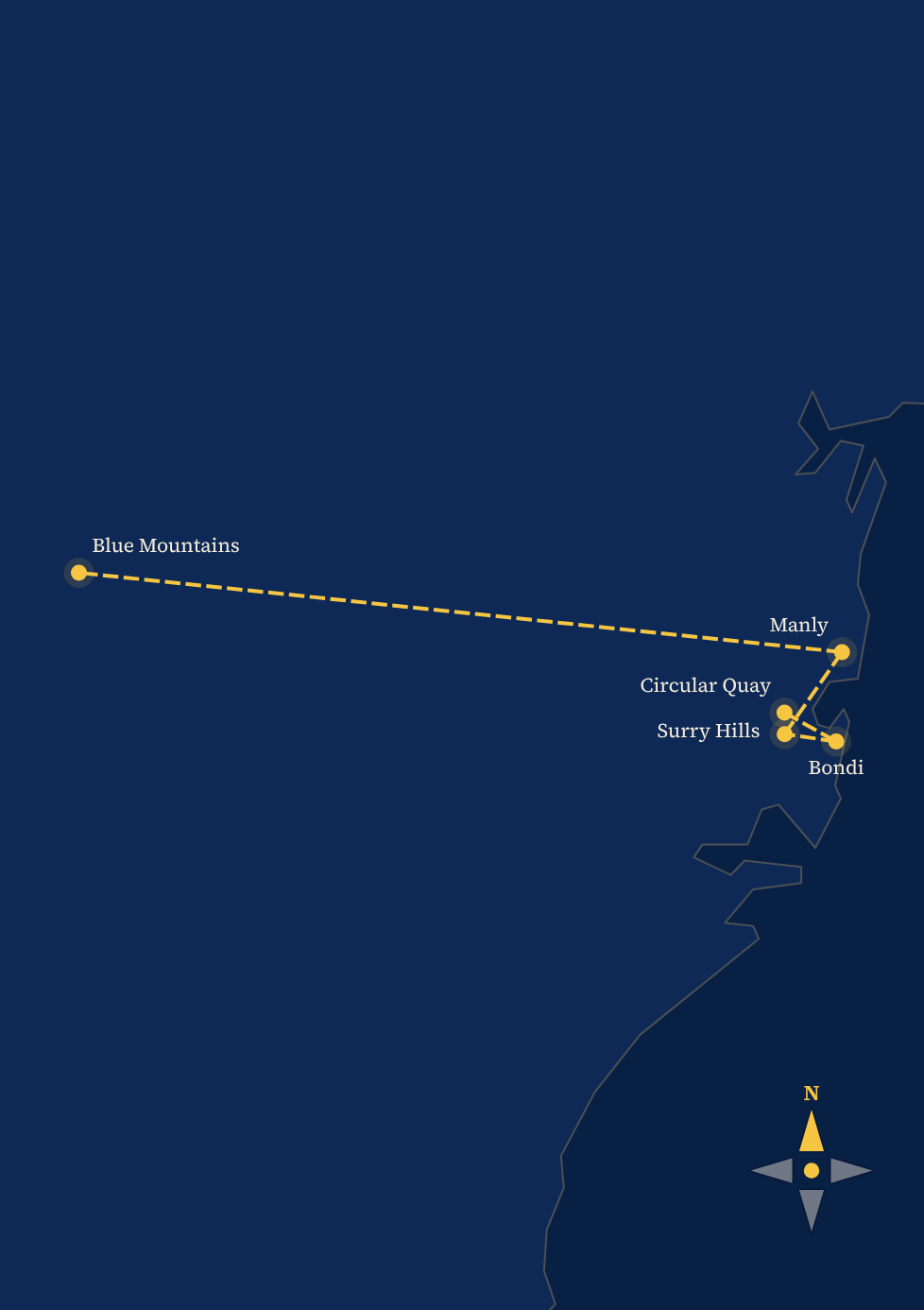
Five days gives you time to experience the city, coast and surrounding region at a comfortable pace.
Day 1 Settle in and spend your first afternoon around Circular Quay, the Opera House and the harbor.
Day 2 Explore the eastern suburbs, combining Bondi with a coastal walk and time in one or two of the neighborhoods nearby.
Day 3 Spend more time in the inner city, including Surry Hills, Darlinghurst or Potts Point, with a focus on food, local streets and a slower pace.
Day 4 Take a ferry across the harbor to Manly, or spend more time along the northern beaches.
Day 5 Head beyond the city for the Blue Mountains, or keep the day free for anything you discovered and would like more time for.
WHERE TO STAY
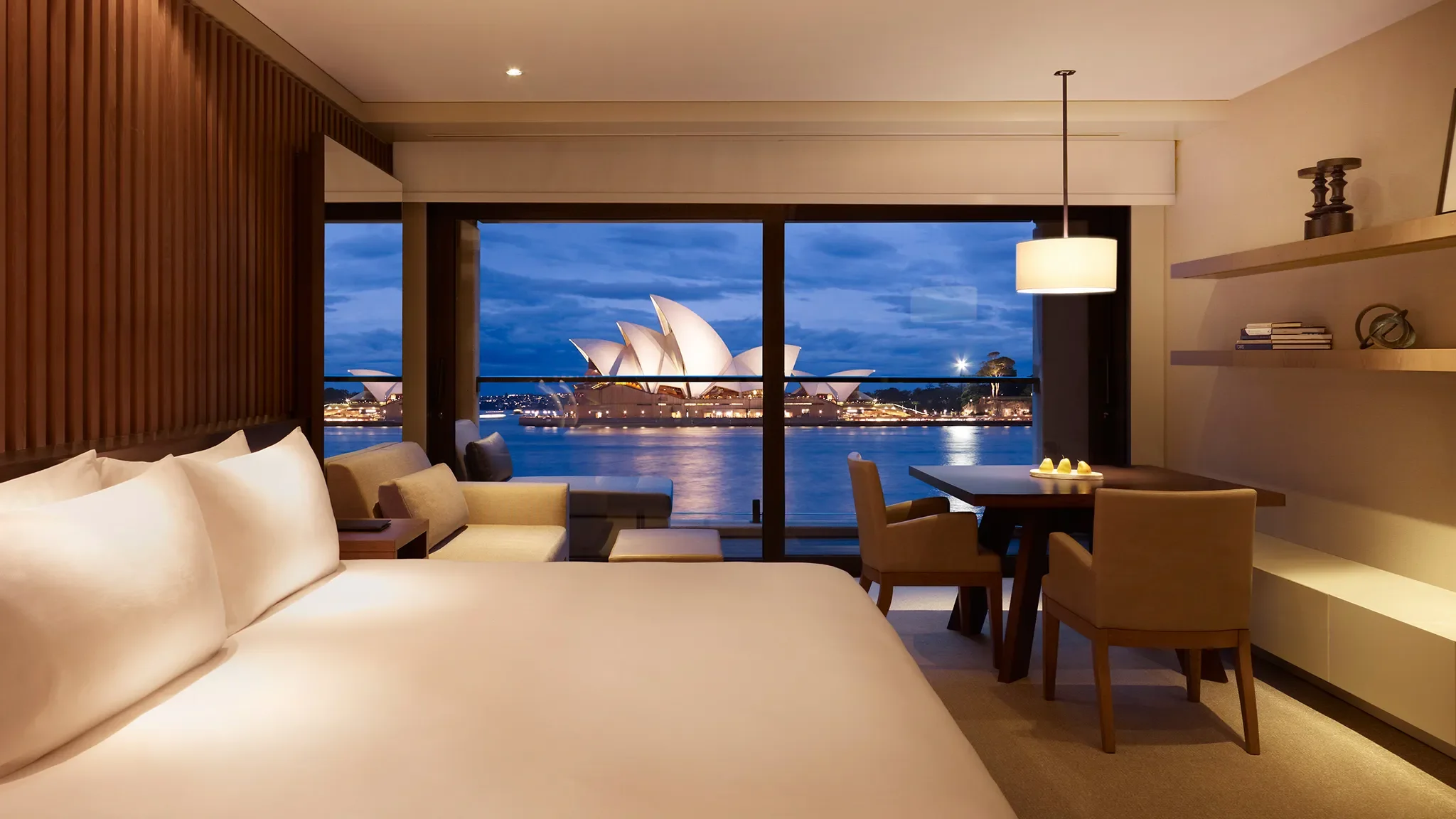
Sydney’s hotel scene has evolved in recent years, with strong options across the harbor, city center and surrounding neighborhoods.
Circular Quay & The Rocks
Best for first-time visitors who come for the harbor, Opera House and major sights within easy reach.
CBD & Barangaroo
Convenient for dining, shopping and easy connections across the city, with a mix of established and newer luxury hotels.
Surry Hills & Darlinghurst
A better fit if you prefer neighborhood restaurants, cafés and nightlife over being right beside the major landmarks.
Potts Point
Close to the city but with a more residential feel, good dining and easy access to both the harbor and eastern suburbs.
Bondi & the Eastern Beaches
Best if the beach is central to the trip and you are comfortable being a little farther from the city center.
GOOD TO KNOW
The things worth knowing before you plan.
Getting around
Sydney is easy to navigate by train, light rail, ferry and rideshare, and you do not need a rental car for most city stays.
Airport transfers
Sydney Airport is close to the city, with train, taxi, rideshare and private transfer options depending on your arrival time and luggage.
Currency
Australia uses the Australian dollar. Cards are widely accepted, though it is still useful to have access to some cash for smaller purchases.
Entry requirements
Most U.S. passport holders need an Electronic Travel Authority before travel. I’ll make sure you know what is required and when to complete it as part of the planning process.
Pacing
Sydney is spread across the harbor, coast and inner-city neighborhoods, so realistic travel time matters. I’ll help structure each day so you are not constantly crossing the city unnecessarily.
New to Australia?
Start with Planning Australia From the United States →

Let’s plan your trip to Sydney.
Whether you already know what you’d like to see or are still working out how Sydney fits into a wider Australia trip, I’ll help you shape the itinerary and handle the details.