
DESTINATIONS
Australia
I grew up here, lived here for most of my life and have traveled extensively across the country. Let me show you the Australia I know.
AUSTRALIA AT A GLANCE

City + nature combinations · Food and wine · Wildlife and coastal escapes
BEST FOR

IDEAL TRIP LENGTH
10 to 21 days

REGIONS PER TRIP
Usually 2 to 3

BEST TIME
Year-round,
depending on region

New Zealand or an Australia & New Zealand cruise
PAIRS WELL WITH
WHY AUSTRALIA
Australia is the country that made me, and the one I keep coming back to.
I have traveled to every state and territory and seen the major sights, so my advice on where to go comes from having been there. I lived in Sydney for about fifteen years and still return regularly.
I’ve driven the Great Ocean Road end to end. I’ve snorkeled the outer reef and hiked the Daintree in the heat of the day. I’ve sat under the stars at Hayman Island and watched the sun go down behind the Blue Mountains from a house in the hills.
Most Americans arrive with Sydney on the list and a vague sense that everything else is very far away. Both of those things are true, and neither of them is a reason to stop there.
Australia is five distinct travel experiences within one country. A harbor city that rewards the curious. A cultural capital with laneways, galleries and one of the great coastal drives on earth just beyond its doorstep. A state so vast that most international visitors never see it at all.
A stretch of subtropical coast where I spent my childhood and which has transformed into one of the most exciting regions in the country. And two World Heritage sites within an hour of each other that change the way you understand the natural world.
That breadth of experience helps me work out which parts of Australia are worth combining, how much time to give each one and where the details make the biggest difference.
Traveling from the US?
Read how I plan Australia from the United States →
WHERE TO GO
Australia is large enough that where you go matters as much as the decision to go.
Each of the regions I specialize in has its own character, its own best season, and its own reasons to go. Here is what you need to know about each one.
Southeast Queensland
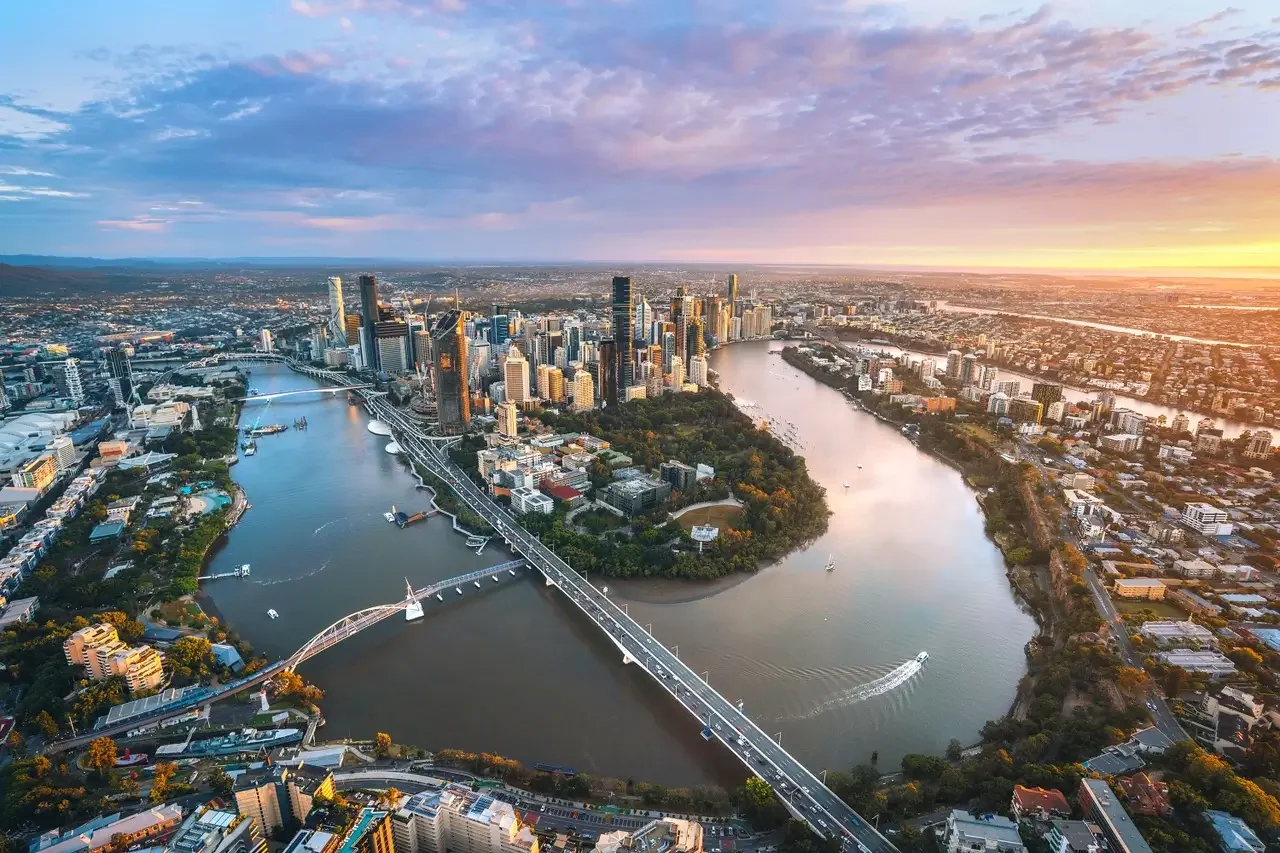
Brisbane was my city, the Gold Coast and Sunshine Coast were my weekends, and the islands off the coast were where I learned what freedom felt like on my grandfather’s boat.
Brisbane has grown into a cosmopolitan city, with excellent dining, major cultural institutions and the energy of a place preparing to host the 2032 Olympic Games. Noosa remains one of the most beautiful coastal towns in Australia. K’gari, the great sand island my grandfather navigated by instinct, is one of the natural wonders of the country.
This is the Queensland most Americans haven’t considered yet. That is exactly the right time to go.
Best time to visit: June through November.
Tropical North Queensland
Two World Heritage sites within an hour of each other. The Great Barrier Reef below the water. The ancient Daintree Rainforest above it.
I came here as a young man and it changed how I understand the natural world. The reef is more vivid, more alive and more accessible than any photograph suggests. The Daintree is estimated to be as old as 180 million years, which makes it the oldest tropical rainforest in the world.
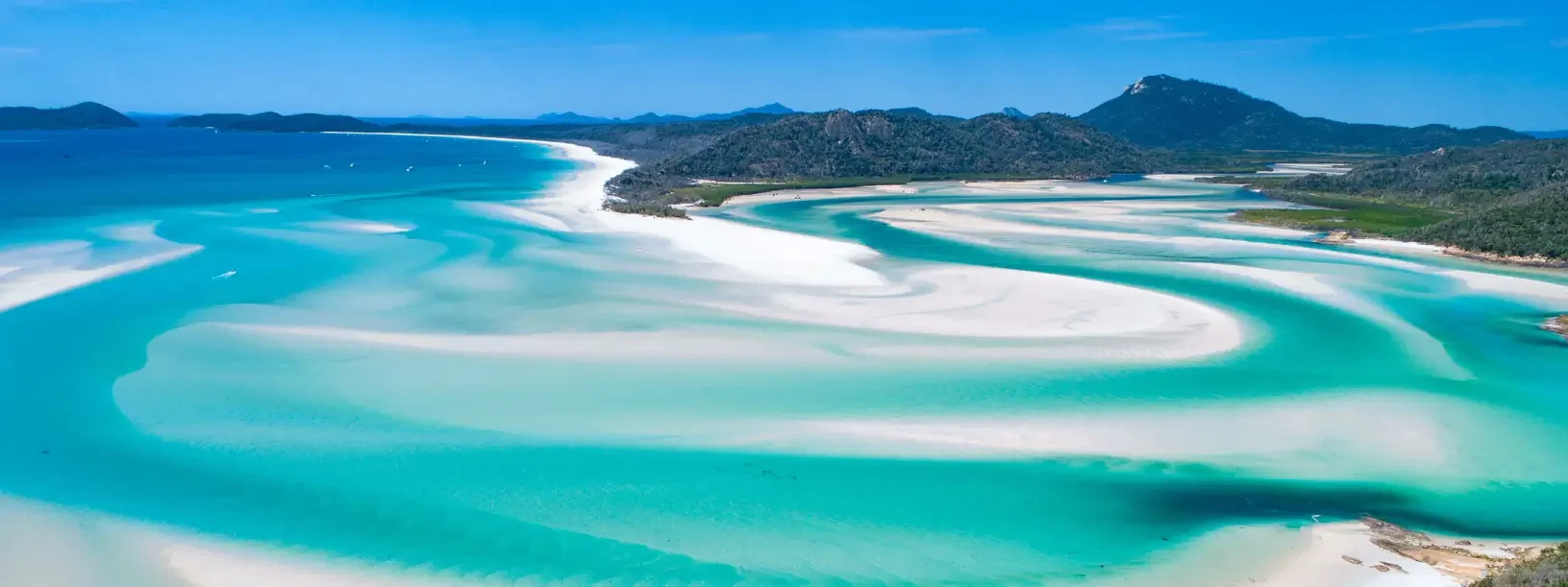
The Whitsundays, a flight south of Cairns, are seventy-four islands scattered across the Coral Sea, most of them uninhabited. And Hayman Island remains one of the great private island experiences in Australia.
This is one of the parts of Australia that tends to stay with people long after they leave. The combination of reef, rainforest and tropical coastline gives the region a sense of scale that is hard to appreciate until you are there.
Best time to visit: May through October.
Explore Tropical North Queensland →
The Great Barrier Reef: What Nobody Tells You Before You Go →
Sydney
I lived in Sydney for about fifteen years, in the neighborhoods that give the city its character: Darlinghurst, Surry Hills and Potts Point.
I know it the way you can only know a city after living in it, eating in it and walking it at every hour and in every season.
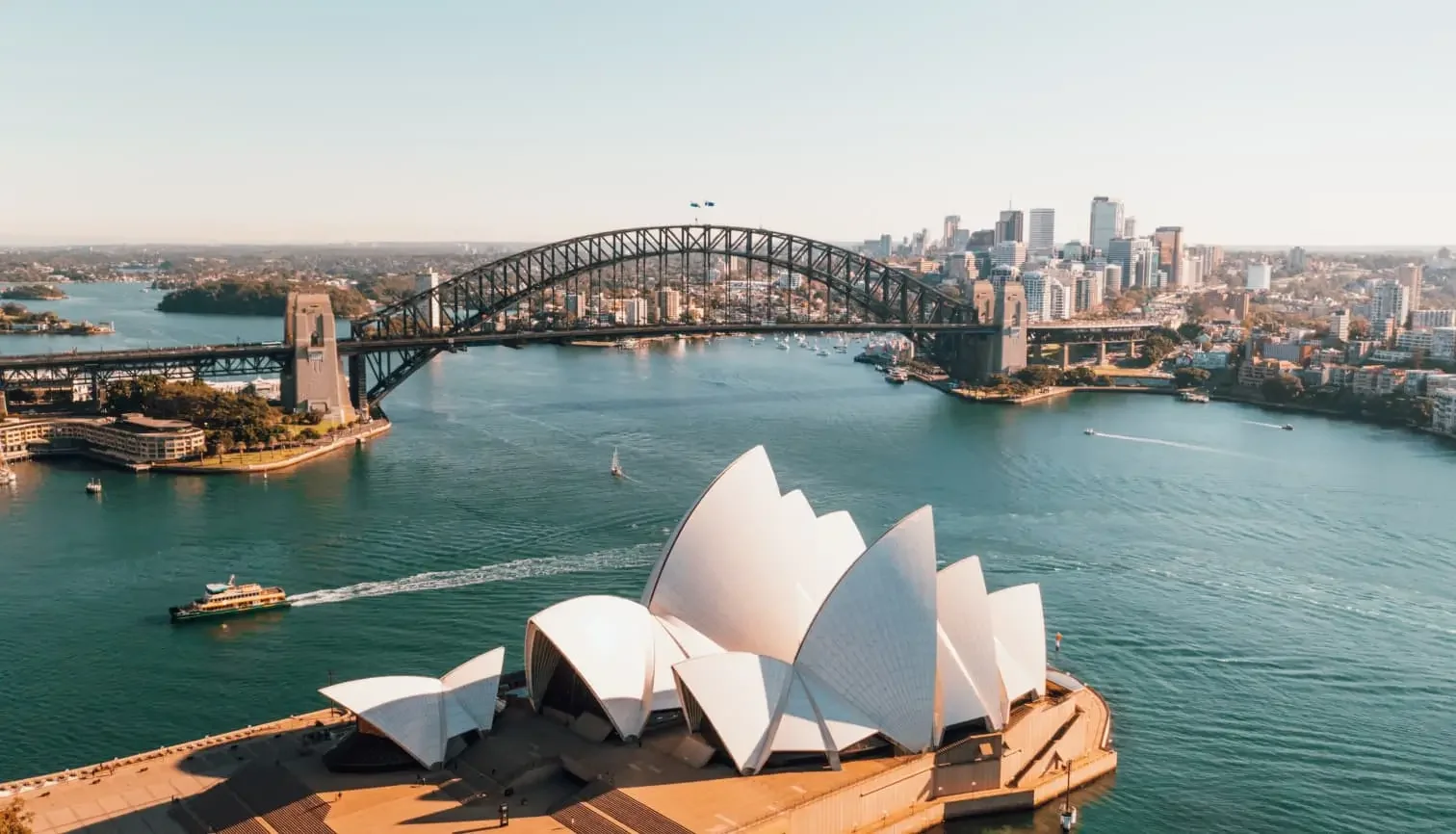
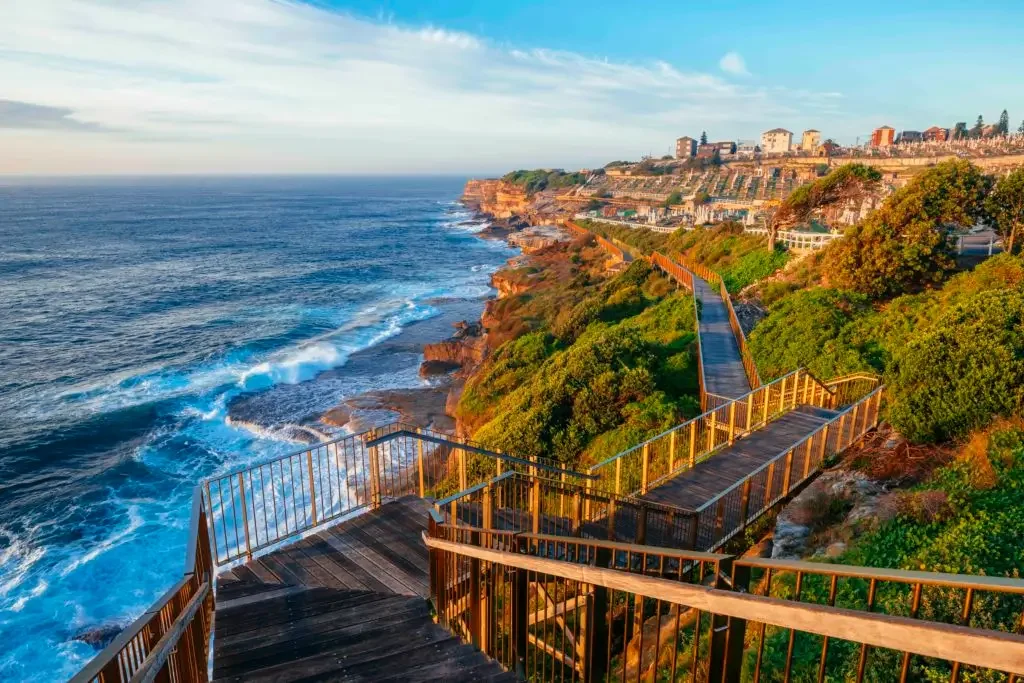
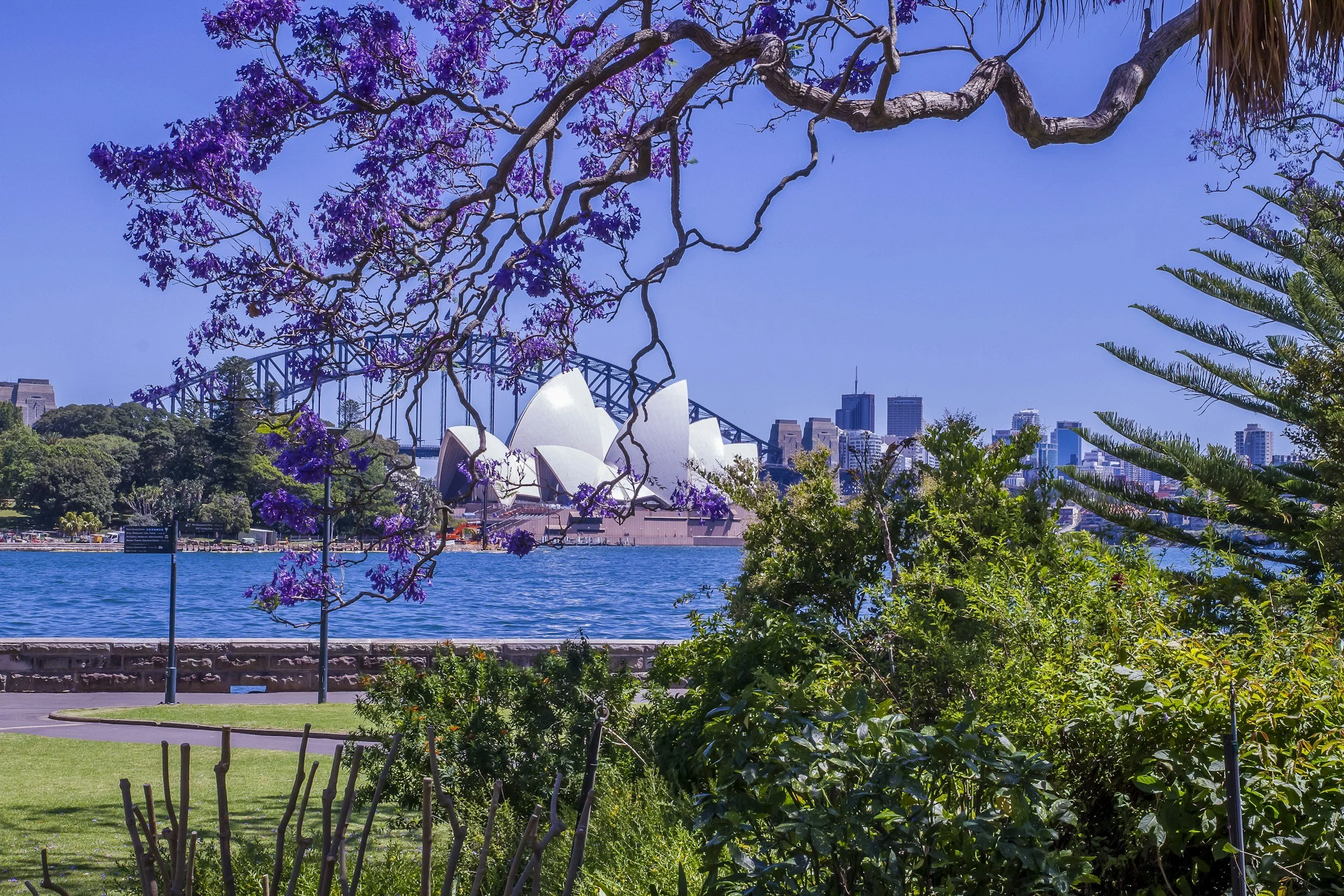
The Sydney most visitors see in a few days is the surface. The harbor, the Opera House, Bondi. All of it worth seeing, none of it the whole story.
The version I know takes longer to find and is worth every extra day you give it.
Best time to visit: March through May, September through November.
Melbourne
Melbourne and Sydney have argued for decades about which city is better. The honest answer is that they are simply different, and both deserve your time.
Sydney dazzles on arrival. Melbourne rewards the curious. It is a city of laneways, galleries, rooftop bars and a food culture so serious it has become part of the city’s identity.
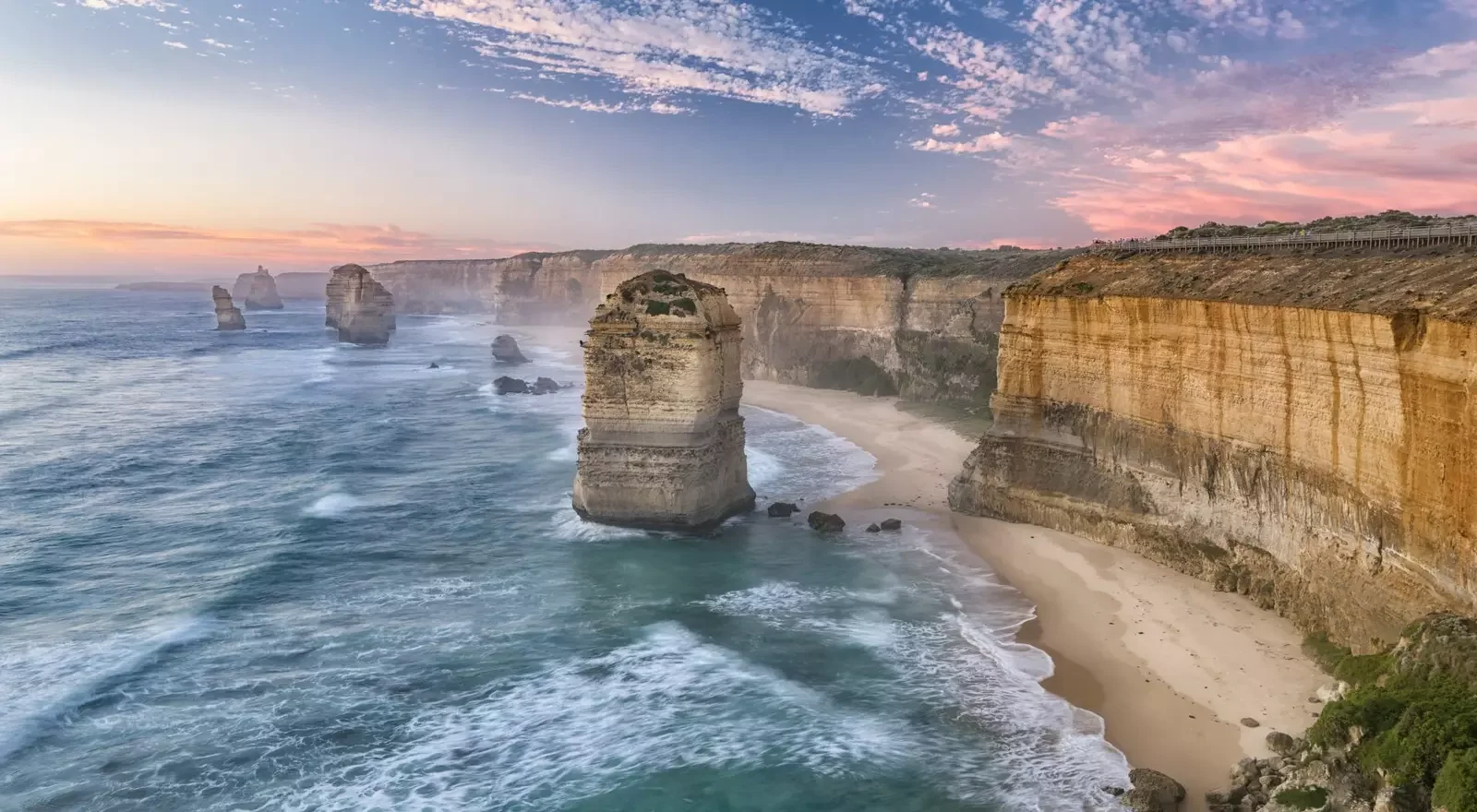
Beyond the city, the Great Ocean Road is one of the finest coastal drives on earth, Mount Buller offers some of the best skiing in the Southern Hemisphere, and the Victorian High Country is wine and food country that most international visitors never reach.
Best time to visit: March through May for a trip to the city.
June through September for skiing.
Driving the Great Ocean Road: The Version Most People Miss →
Western Australia
Western Australia is the country’s best-kept secret and the destination I am most confident will surprise you.
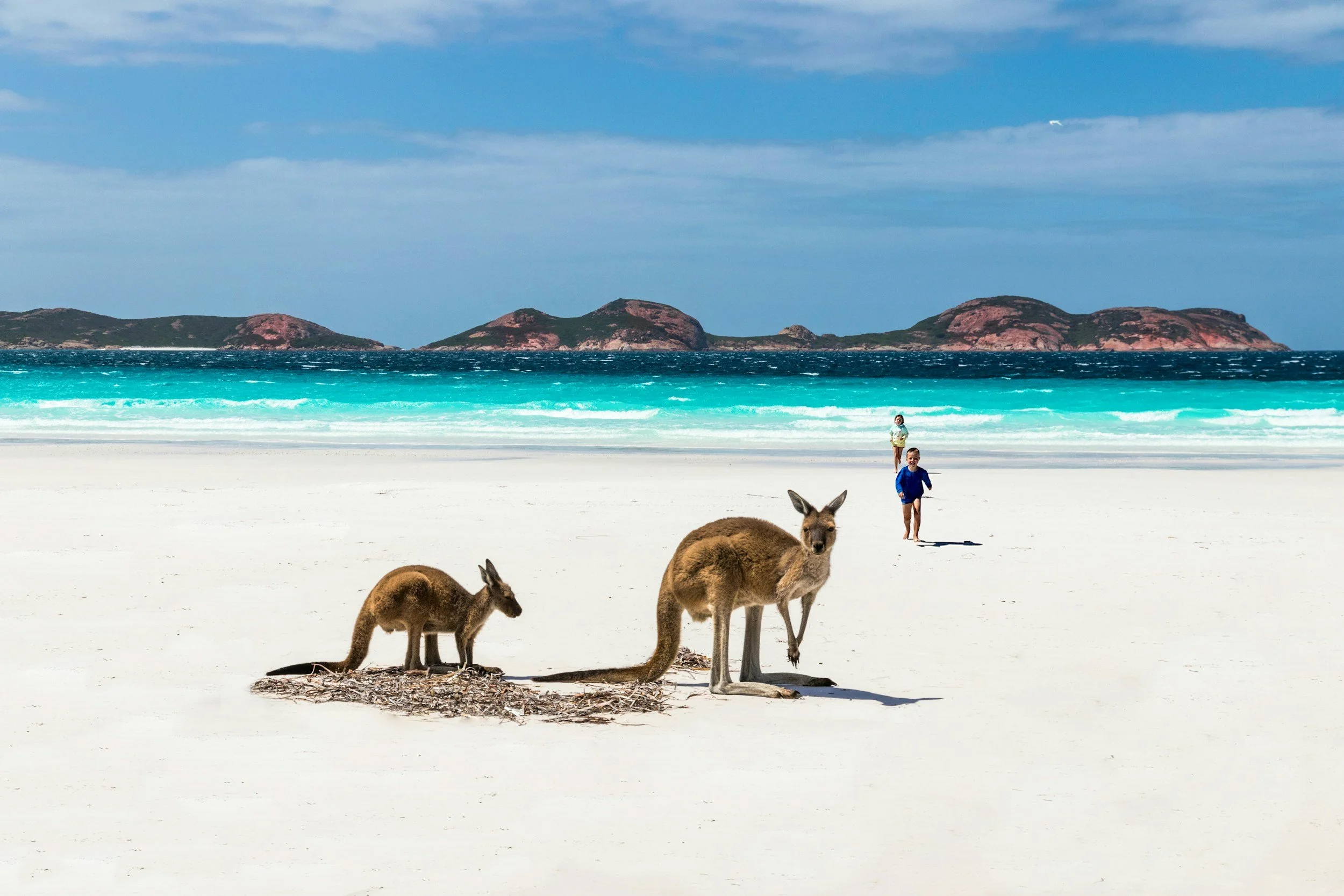
It covers about a third of the country, with wine country in the south, ancient limestone formations rising from desert sand in the middle, and a fringing reef in the north that starts at the beach, where whale sharks pass in season. Perth is a river and beach city with a quality of life that surprises first-time visitors. The southern coastline between Albany and Esperance is one of the most dramatic and least-visited stretches of coast in Australia.
I know Perth, Margaret River and Albany first-hand. The rest I plan through trusted local specialists.
For travelers prepared to go further, that is part of what makes Western Australia so rewarding. The distances are bigger, the pace is slower and the experiences often feel more personal because fewer visitors make the journey west.
Best time to visit: February through June depending on the region.
AUSTRALIA BY CRUISE
Some of the best views of this coastline are from the water.
Australia features on itineraries from several of the cruise lines I work with, including Celebrity Cruises, Silversea, Princess and Oceania.
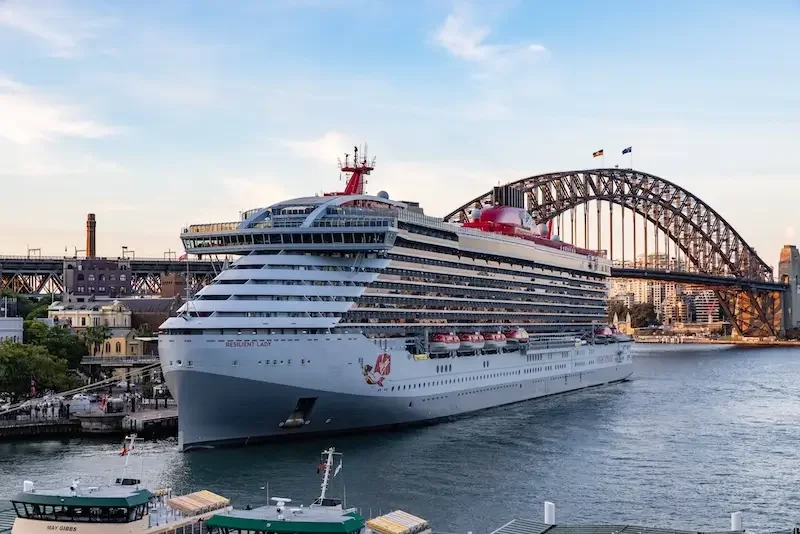
A cruise that calls at Sydney, Melbourne and other Australian ports can be an excellent way to experience the country’s scale without the complexity of managing multiple internal flights and transfers. It is also one of the best ways to see the remote Kimberley coast in Western Australia, accessible by expedition ship and unlike anything else in the country.
If you are considering a cruise that includes Australia, I can help you compare the ships, itineraries and times of year that make the most sense.
WHEN TO GO
Australia’s seasons are the reverse of the Northern Hemisphere, and the country’s size means different regions peak at different times.
Summer, December to February.
Hot across most of the country, with long days and the beaches at their best. It is peak season in Sydney and Melbourne, with higher prices and stronger demand around Christmas and New Year.
Autumn, March to May.
The shoulder season I recommend most often. The heat softens, the crowds thin, and the food and culture seasons in both Sydney and Melbourne are in full swing. April in particular is excellent across the southeast.
Winter, June to August.
Mild in Sydney and Melbourne by most standards, cold only in the alpine regions. The dry season in Queensland and the best window for the Great Barrier Reef and the Whitsundays. The ideal time to visit Tropical North Queensland. Western Australia’s Coral Coast is at its best from late March through June.
Spring, September to November.
The jacarandas bloom in Sydney and the wildflowers in Western Australia. Both are worth seeing. This is also when humpback whales move through Moreton Bay off Brisbane, one of the most underrated wildlife experiences in the country.
A note on combining regions: Australia’s distances are real. Sydney to Cairns is a three hour flight. Perth is five hours from Sydney. I plan itineraries that respect the distances rather than rushing them, which usually means choosing two or three regions per trip rather than trying to see everything at once.
GOOD TO KNOW
The essentials before you start planning.
Entry requirements
Most U.S. passport holders need an Electronic Travel Authority before travel. I’ll guide you through the application process and make sure it is handled at the right stage of planning.
Getting there
Qantas flies nonstop from Los Angeles to Sydney in approximately fifteen hours, with nonstop services to Melbourne and Brisbane as well. United and Delta also operate Australia routes from the United States.
Currency
Australia uses the Australian dollar. Exchange rates move over time, so I factor current costs into the planning rather than relying on a fixed assumption about value.
Tipping
Tipping is not expected in the same way it is in the United States. It is always appreciated for excellent service, but it is not generally considered obligatory.
Driving
Driving is on the left. A rental car is often the best way to explore beyond the major cities, although some itineraries are better suited to private transfers, touring or internal flights.
Time zones
Australia spans multiple time zones, and daylight saving rules vary by state. Queensland and Western Australia do not observe daylight saving, while New South Wales and Victoria do. I factor those differences into flights, transfers and connection planning.

Australia Rewards Thoughtful Planning
Whether you already know which regions interest you or are still working out what fits your time and travel style, I’ll help you shape the trip and handle the details.