
Melbourne
AUSTRALIA
Australia’s cultural capital. A city of hidden laneways, food worth planning a day around, serious art and one of the great coastal drives on earth just beyond its doorstep.
MELBOURNE AT A GLANCE

Food · Art · Laneways · Coastal drivesBEST FOR

IDEAL STAY
8 days

PACE
City + coast
BEST TIME
Summer and autumn
PAIRS WELL WITH
Sydney · Southeast Queensland · New ZealandWHY MELBOURNE
Melbourne and Sydney have argued for decades about which city is better. Having lived in one and spent considerable time in the other, I have views.
But the honest answer is that they are simply different, and both are worth your time.
Melbourne rewards the curious. It is a city that reveals itself slowly, through a laneway you ducked into on the way somewhere else, through a restaurant with no signage and no reservations that turns out to be the best meal of your trip, through an afternoon in a gallery that you did not plan and could not walk away from.
I have driven the Great Ocean Road end to end, coming back through the inland route past the Grampians. I have skied Mount Buller in a proper Victorian winter.
I have spent hours in the National Gallery of Victoria, which holds one of the finest art collections in the Southern Hemisphere, and more hours than I should have in Melbourne’s rooftop bars watching the light change over the city.
Melbourne gets into you in a way that is difficult to explain to someone who has not been. The best thing I can tell you is that it is a city you plan to come back to.
HIGHLIGHTS
Four experiences that together capture what Melbourne is actually about.
The City Itself
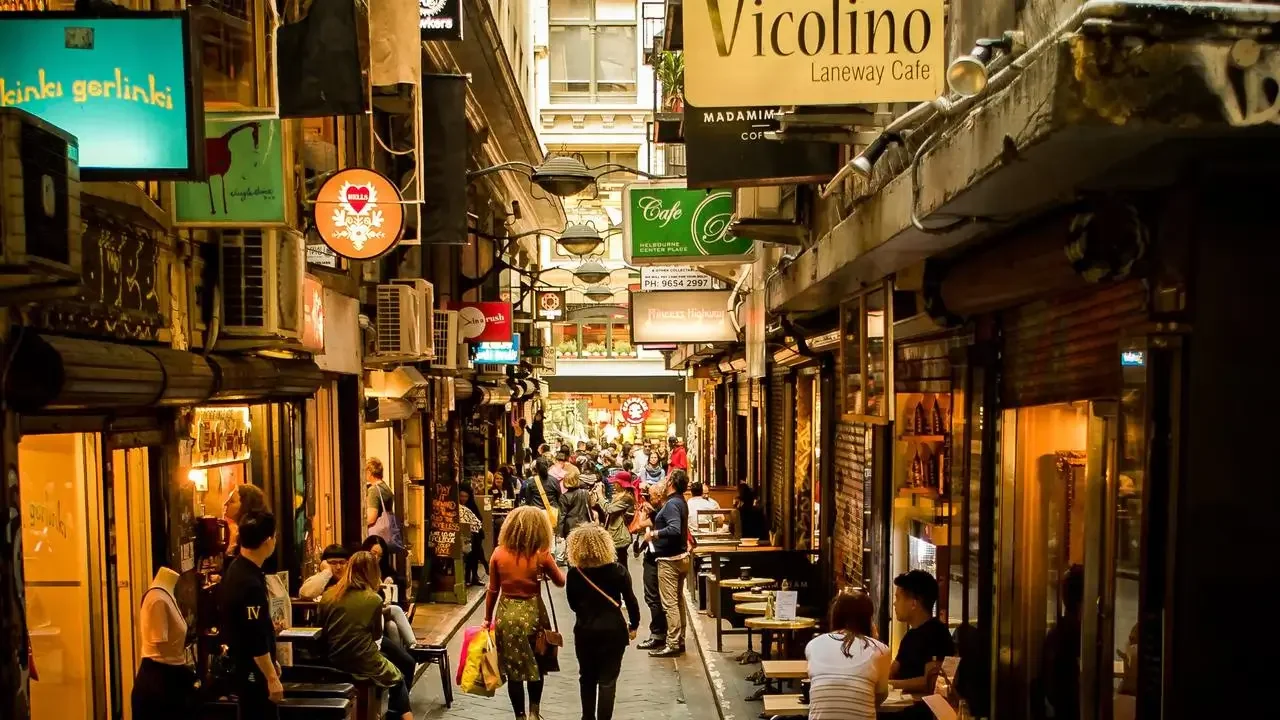
Melbourne is one of the world’s great food and coffee cities, and the laneway culture is real, not a tourist construct. Degraves Street, Centre Place and Hardware Lane are lined with espresso bars that open at odd hours and close when they feel like it.
The National Gallery of Victoria
The NGV is the oldest and most visited art museum in Australia, and its Australian collection on Federation Square is one of the finest surveys of Australian art in existence. I have spent full days here without covering everything I wanted to see.
The Great Ocean Road
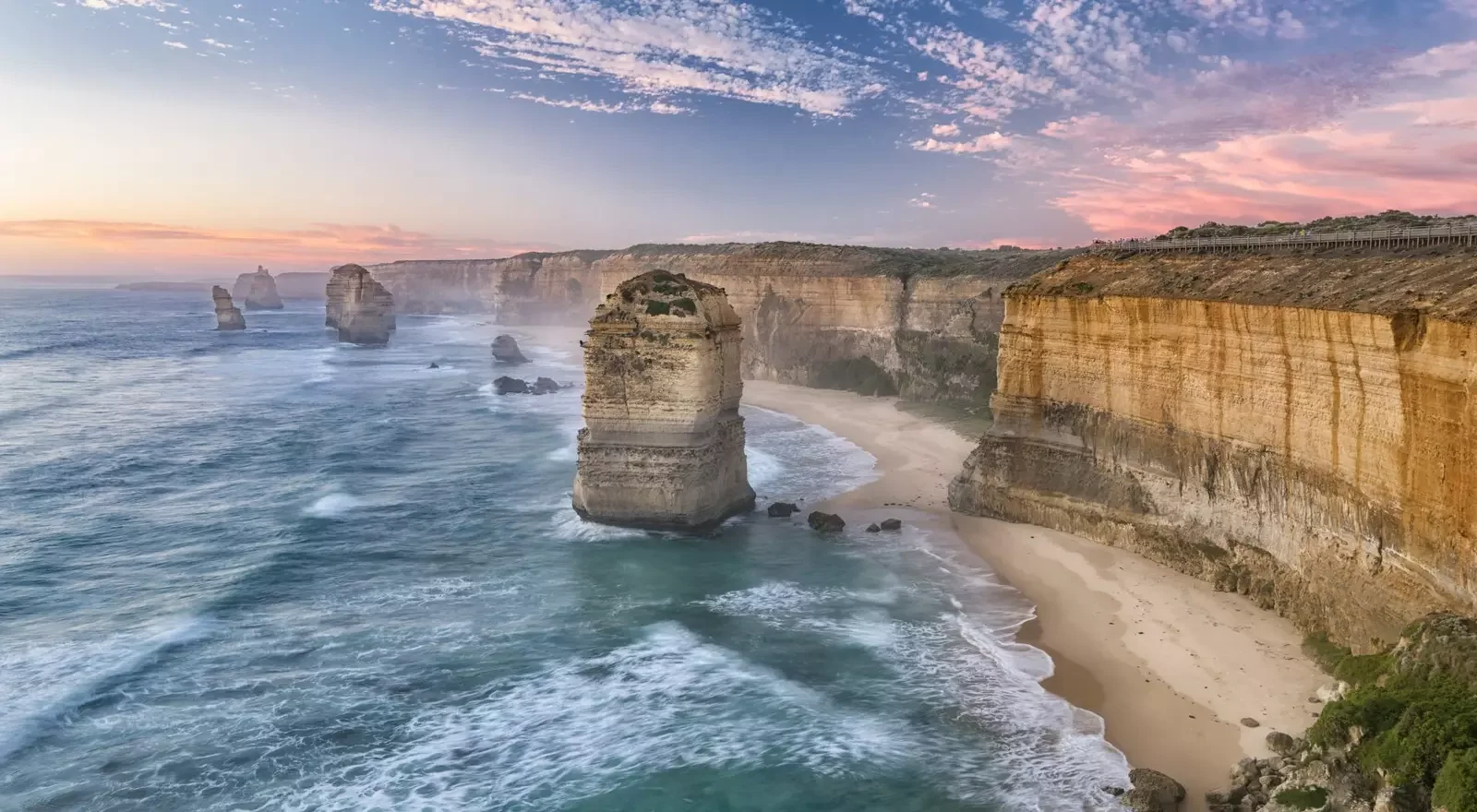
One of the world’s great coastal drives, and one that I have done properly from one end to the other, returning via the inland route through the Grampians.
The road begins at Torquay, just over an hour from Melbourne, and runs nearly three hundred kilometers to the Twelve Apostles. Give it two to three days, with Lorne and Apollo Bay as the natural overnight stops.
Mount Buller and the Victorian High Country
Three hours northeast of Melbourne, Mount Buller is Victoria’s premier ski resort, with ski-in ski-out at the top of the mountain. The season runs from late June through September, with the best snow in July and August.
In summer and autumn, the Victorian High Country is wine and food territory, led by the King Valley’s prosecco and sangiovese.
WHEN TO GO
Melbourne’s weather is famously unpredictable, which is part of what makes it interesting.
Summer, December to February.
The Australian Open is in January, so book well ahead.
Autumn, March to May.
My preferred window: the most settled weather of the year, excellent restaurant conditions and the city at full pace without the summer crowds. April is particularly good.
Winter, June to August.
Cold by Australian standards, and the peak for the city’s food and culture, and for skiing.
Spring, September to November.
The Melbourne Cup is in November.
A TASTE OF THE ADVENTURE
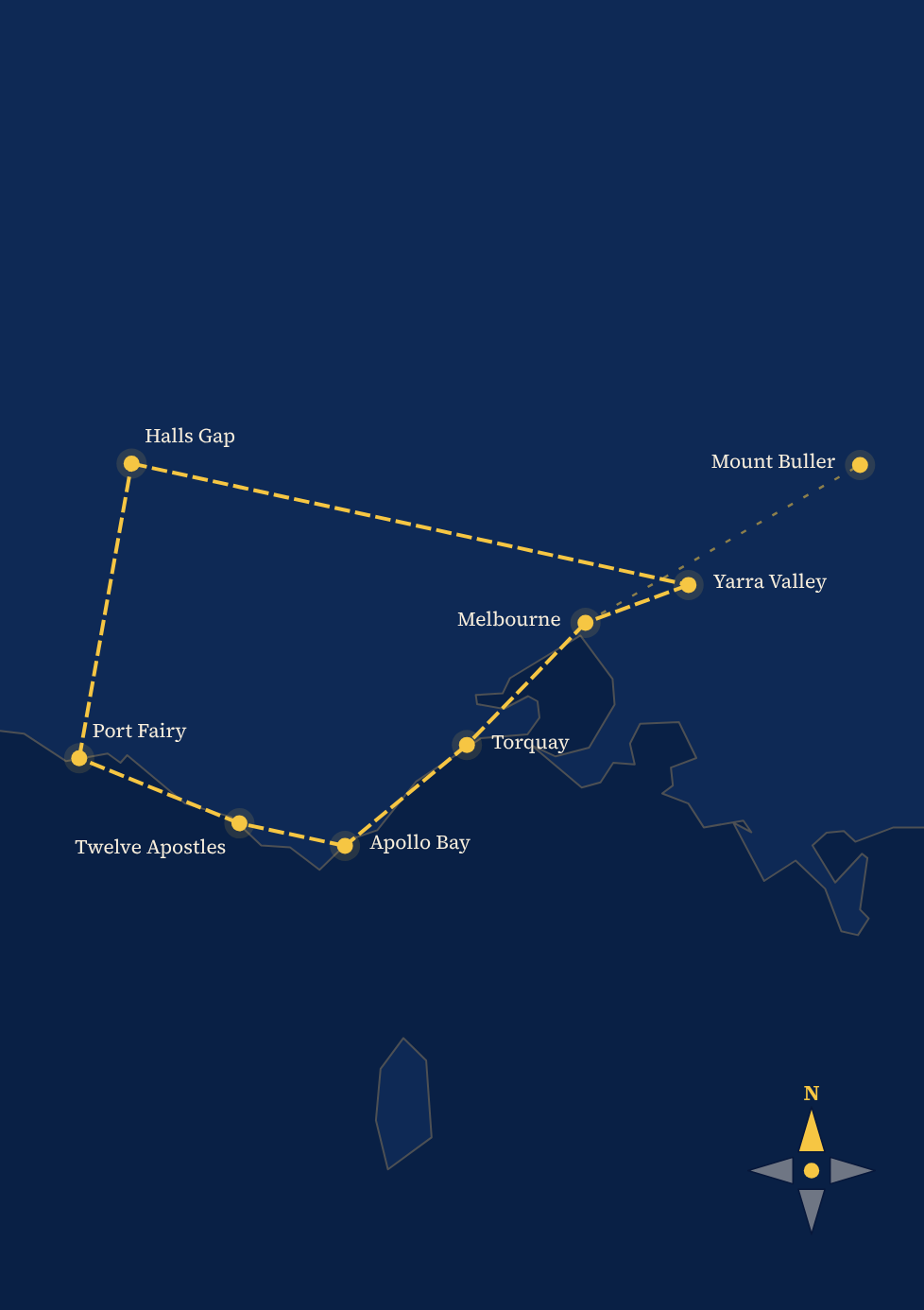
Eight days that cover the city, the coast and the mountains without rushing any of them.
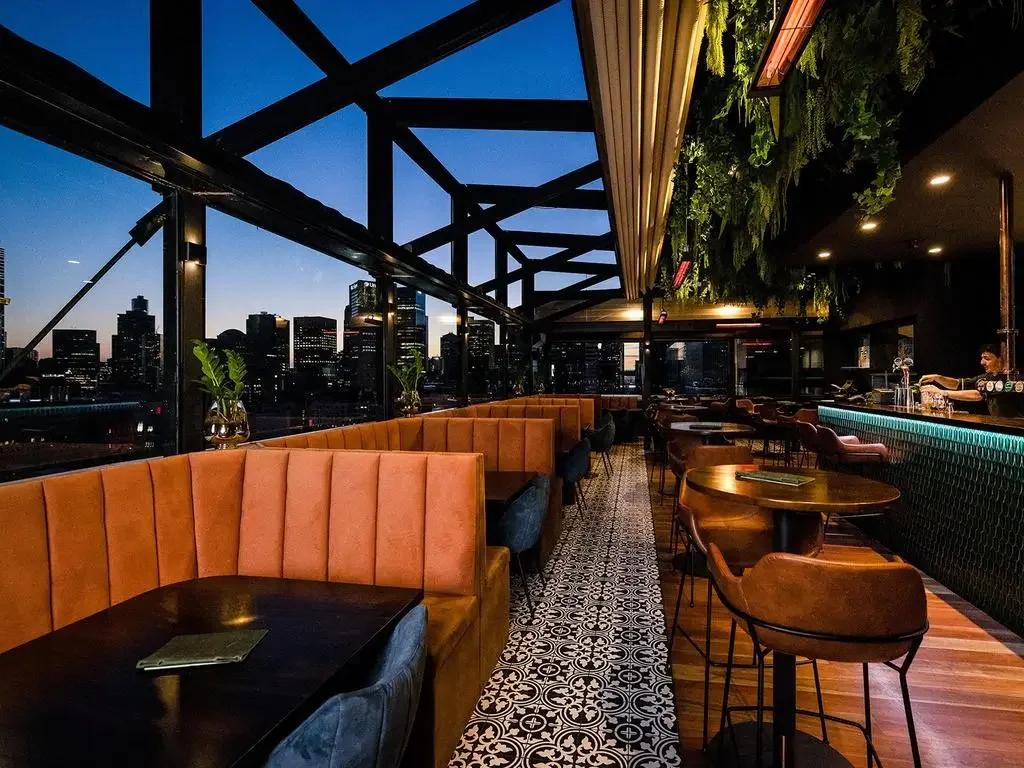
Day 1 Arrive and settle in at the Ritz-Carlton or 1 Hotel, with an evening at a rooftop bar.
Day 2 A morning at the NGV, then a day in the laneways and Fitzroy.
Day 3 Drive to Torquay and begin the Great Ocean Road, stopping at Lorne for lunch and Apollo Bay for the night.
Day 4 Continue to the Twelve Apostles and Port Fairy, staying at a property along the coast.
Day 5 Inland through the Grampians to Halls Gap for the night.
Day 6 Back to Melbourne via the Yarra Valley wine region, with cellar door stops along the way.
Day 7 The neighborhoods you missed, and dinner somewhere you have been thinking about since you arrived.
Day 8 Time to sit in a laneway with a coffee and let Melbourne do what it does best.
WHERE TO STAY
Melbourne’s hotel scene has transformed significantly in the past few years. These are the properties worth knowing.
The Ritz-Carlton Melbourne sits on the upper floors of an 80-story tower above the CBD, won Gourmet Traveller’s Hotel of the Year for 2025 and holds a Michelin Key. Atria, on level 80 with chef Michael Greenlaw, is among the finest restaurants in the city.
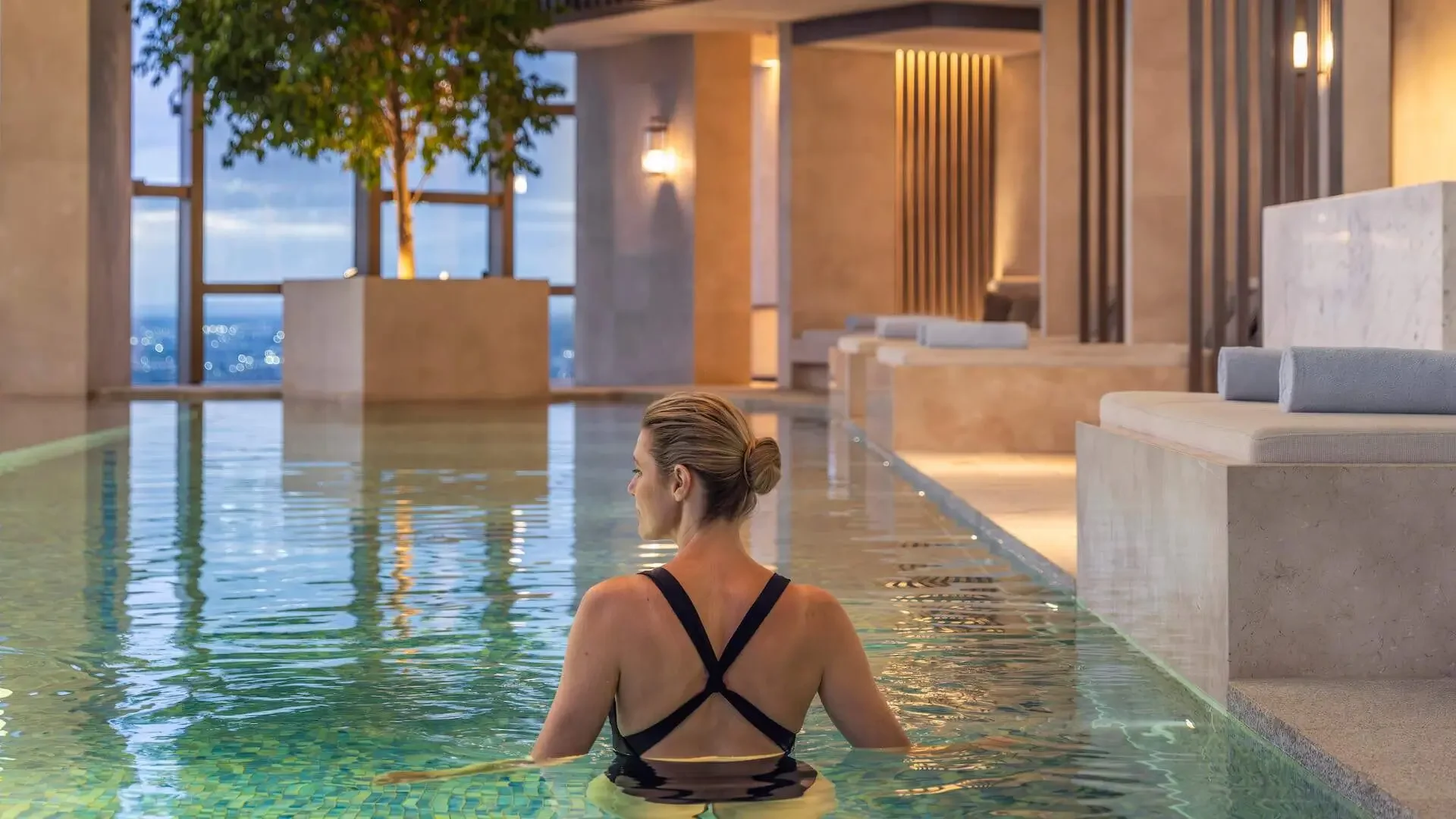
1 Hotel Melbourne opened in June 2025 at North Wharf on the Yarra, with a spa, an indoor pool and a Michelin Key.
Hyde Melbourne Place, the first Hyde property in Australia, opened in late 2024 and was awarded a Michelin Key in 2025. The rooftop restaurant is worth the visit even for non-guests.
Hannah St Hotel in Southbank opened in late 2025 with 188 rooms, a good base for the NGV and the South Bank cultural quarter.
United Places in South Yarra suits clients who avoid large hotels: twelve suites opposite the Royal Botanic Gardens, with the Matilda 159 restaurant attached.
I will always tell you which of these I have stayed at myself and which I know through trusted partners.
GOOD TO KNOW
The things worth knowing before you plan.
Entry requirements
American passport holders need an Electronic Travel Authority to enter Australia, which I handle as part of the planning process.
Getting there
Nonstop flights reach Melbourne from Los Angeles, and flying time is around sixteen hours. Schedules change by season, so I check current options when I plan your routing. Many travelers connect through Sydney instead, or fly into Melbourne’s Tullamarine Airport.
Time zone
Melbourne runs on Australian Eastern Time and observes daylight saving time from October to April, which puts it 17 to 19 hours ahead of Los Angeles depending on the time of year.
Driving
A rental car is essential if the Great Ocean Road or Mount Buller are on the itinerary. For a city-only stay, Melbourne’s tram network covers the inner suburbs well and a car is more hindrance than help.
New to Australia?
Start with Planning Australia From the United States →

Let’s plan your trip to Melbourne.
If Melbourne is on your list, or you are not sure yet, let’s talk.