
NEW ZEALAND
The South Island
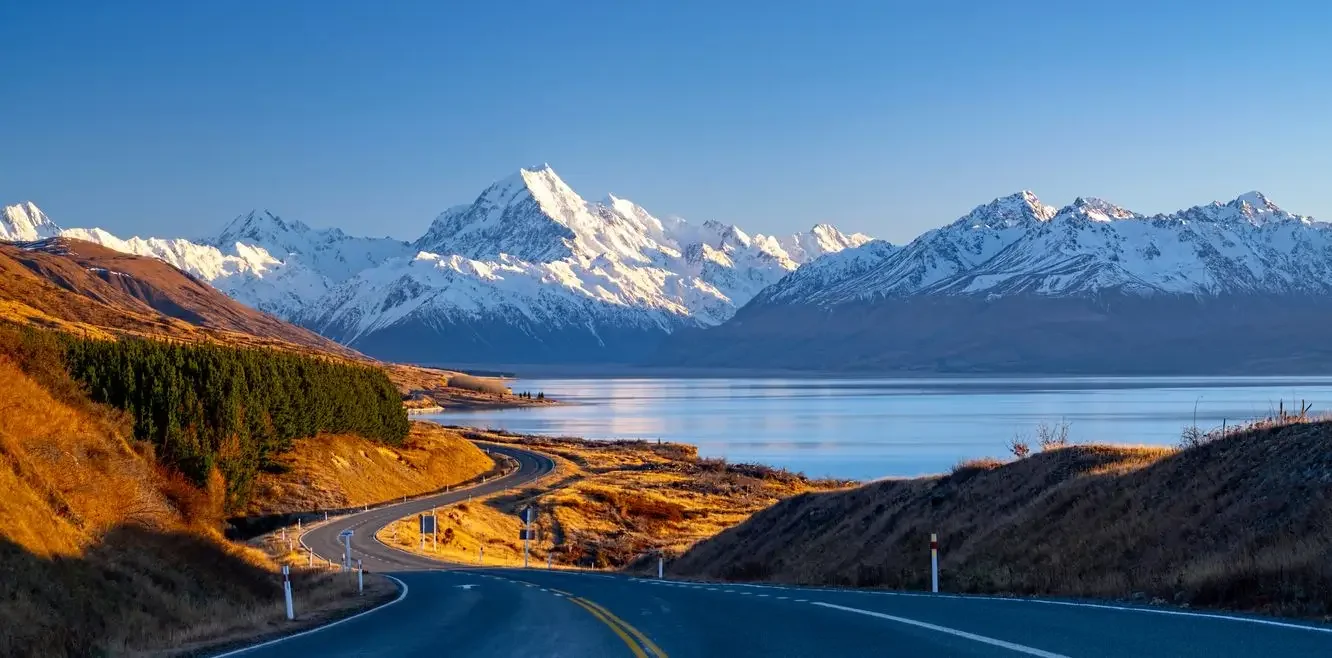
New Zealand at its most dramatic, with mountains, lakes, wine regions and coastal landscapes that reward taking your time.
SOUTH ISLAND AT A GLANCE

Mountains · Lakes ·
Wine · Scenic drives
BEST FOR

IDEAL STAY
10 to 14 days

PACE
Road trip + longer stays

Year-round, depending on the experience
BEST TIME

North Island · Australia ·
New Zealand cruising
PAIRS WELL WITH
WHY THE SOUTH ISLAND
The South Island feels bigger, quieter and more dramatic than its size suggests.
This is where alpine landscapes, glacial lakes, vineyards and long stretches of open road become part of the journey itself. Queenstown and Wānaka bring the mountains close, Fiordland feels remote and elemental, and regions such as Marlborough and Central Otago add a completely different rhythm through food and wine.
What makes the South Island work so well is the contrast. One day can be about hiking or lake views, the next about a vineyard lunch or a slow drive through small towns and wide valleys.
It is also a place where pacing matters. Distances can look manageable on a map, but the best trips leave room for the scenery, the weather and the stops you did not initially plan for.
I prefer to build South Island itineraries around fewer bases and more time in each one, rather than trying to connect every major destination in a single trip.
HIGHLIGHTS
The South Island is defined by contrast, from alpine towns and wine regions to remote fiords and wide open landscapes. These are the experiences I would build a trip around.
Queenstown & Wānaka
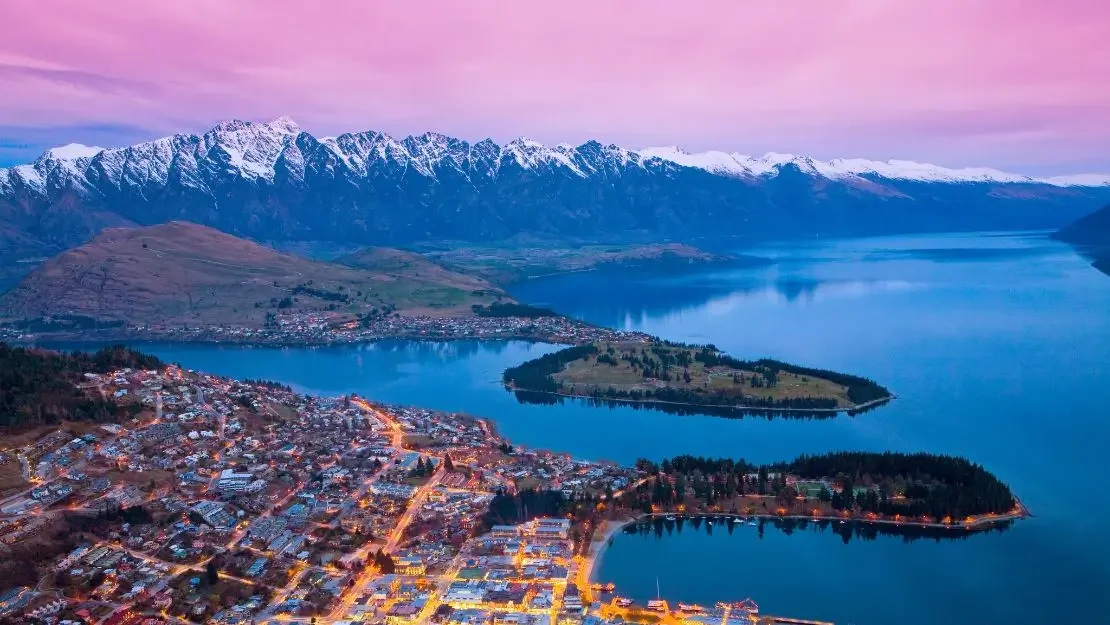
Queenstown and Wānaka bring the Southern Alps right into the journey, with lakes, mountain scenery and easy access to outdoor experiences.
Queenstown has more energy and dining, while Wānaka offers a quieter pace, making them complementary rather than interchangeable.
Fiordland & Milford Sound
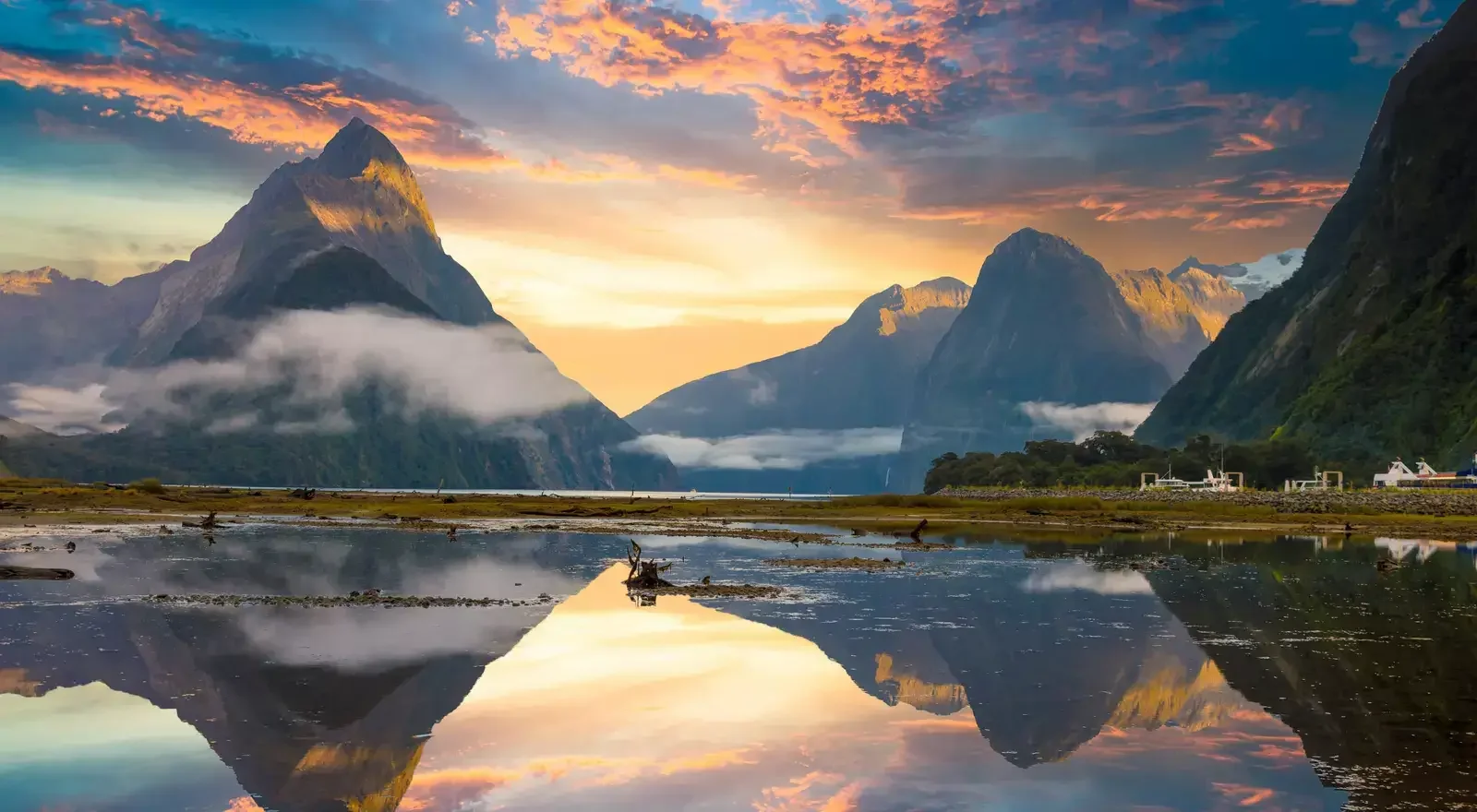
Fiordland feels more remote and elemental than almost anywhere else in New Zealand.
Milford Sound is the best-known experience, but the wider region is about dramatic weather, deep valleys, waterfalls and landscapes that reward slowing down.
Marlborough & Nelson
Marlborough is best known for wine, but the region also works well for coastal scenery, long lunches and a slower transition between the North and South Islands.
Nearby Nelson and the top of the South add beaches, national parks and a more relaxed rhythm.
Christchurch & Canterbury
Christchurch provides an easy gateway into Canterbury, where open plains, alpine roads and smaller towns lead toward some of the South Island’s most scenic driving.
This part of the island works especially well when the journey itself is part of the experience.
WHEN TO GO
The South Island works year-round, but the right time depends heavily on the kind of trip you are planning.
Summer, December to February.
Long days and warmer weather, making it well suited to hiking, lake time and scenic drives, though popular areas can be busier.
Autumn, March to May.
Especially good for road trips, walking and wine regions, with generally mild conditions and fewer peak-season crowds.
Winter, June to August.
Changes the character of the island completely, with skiing and snowboarding in the alpine regions and a quieter pace elsewhere.
Spring, September to November.
Just as good for road trips and wine regions, with the same mild conditions and fewer peak-season crowds.
A TASTE OF THE ADVENTURE
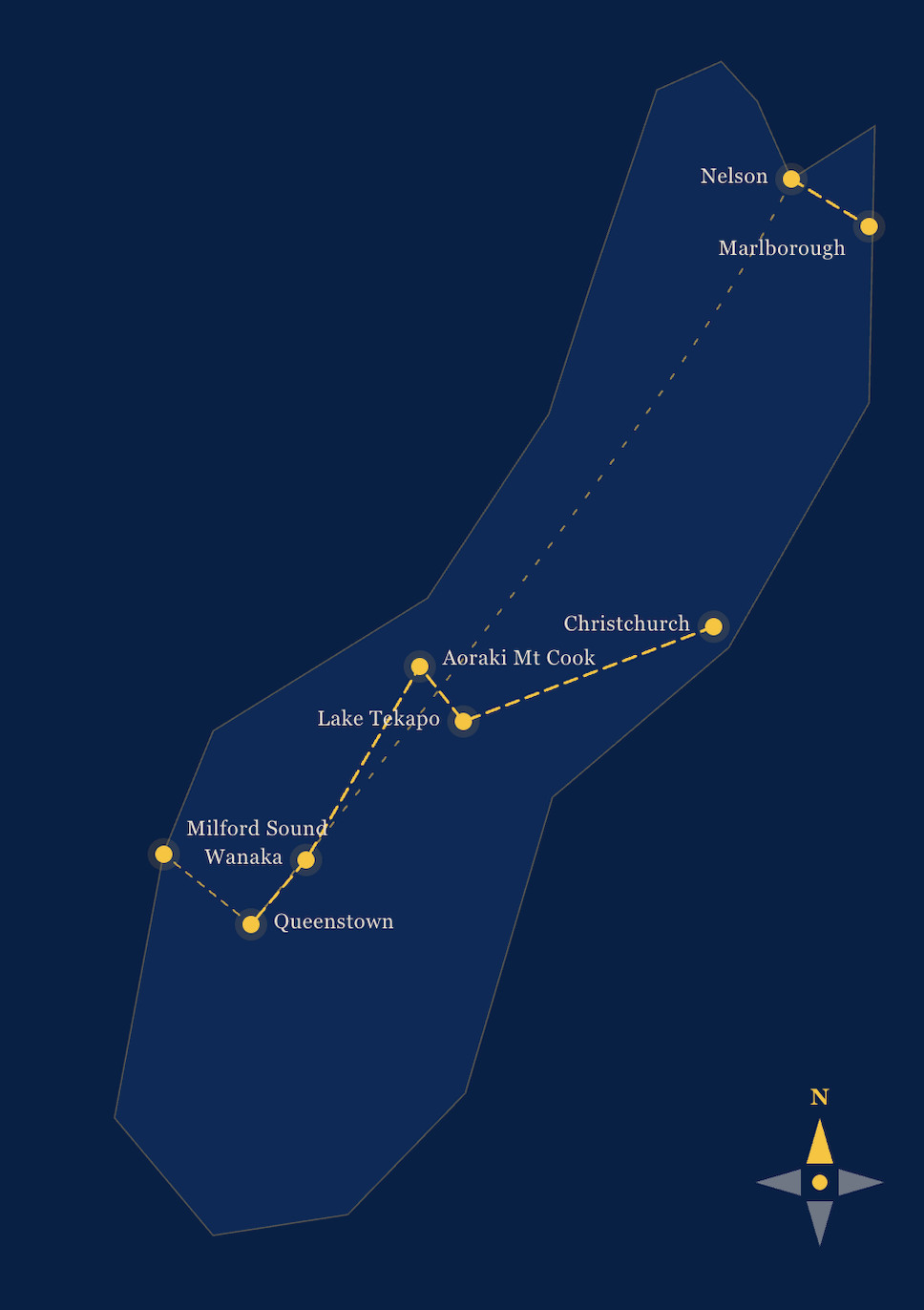
Ten days gives you enough time to connect several of the South Island’s key regions.
Day 1 Arrive in Christchurch and settle in, with time to explore the city and ease into the trip.
Day 2 Drive into the Canterbury high country, with stops along the way and an overnight in the Tekapo or Mackenzie Basin area.
Day 3 Continue south toward Wānaka, allowing time for the journey and scenery rather than treating it as a transfer day.
Day 4 Spend a full day in Wānaka, with time for walking, lake views and a slower pace.
Day 5 Travel to Queenstown and settle in for a few nights.
Day 6 Explore Queenstown and the surrounding area, with options for outdoor experiences, scenic drives or a more relaxed day around the lake.
Day 7 Take a day trip into Fiordland, or overnight closer to the region if you prefer a slower pace.
Day 8 Travel through Central Otago, with time for wine, small towns and the landscape along the way.
Day 9 Continue toward the top of the South Island, using a domestic flight if it makes the route more practical.
Day 10 Finish in Marlborough or Nelson, with time for wine, coast or a slower final day before continuing onward.
GOOD TO KNOW
Entry requirements
Most U.S. passport holders need a New Zealand Electronic Travel Authority before travel. I’ll make sure you know what is required and when to complete it as part of the planning process.
Driving
New Zealand drives on the left, and South Island routes can take longer than they appear on a map because of terrain, weather and road conditions.
Getting around
A rental car works well for many South Island itineraries, but domestic flights and private transfers can make sense when they reduce unnecessary backtracking.
Pacing
The South Island is at its best when there is room in the itinerary for weather, scenic stops and longer stays in key regions rather than trying to cover everything at once.

Let’s plan your trip to the South Island.
Whether you already know which regions interest you or are still working out how the South Island fits into a wider New Zealand trip, I’ll help you shape the itinerary and handle the details.