
NEW ZEALAND
The North Island
The part of New Zealand I return to most often, shaped by family connections, repeated visits and a local lens.
NORTH ISLAND AT A GLANCE

Cities · Geothermal landscapes · Māori culture · Coastal drives
BEST FOR

IDEAL STAY
7 to 12 days

PACE
Road trip + short stays

BEST TIME
Year-round

South Island · Australia · New Zealand cruising
PAIRS WELL WITH
WHY THE NORTH ISLAND
The North Island is where I first came to know New Zealand beyond a visitor’s perspective.
My partner was born and raised here, and his family lives on Auckland’s North Shore. We return regularly, which has given me the chance to experience the island slowly and repeatedly rather than through a single trip.
The North Island has a different rhythm from the South. Auckland and Wellington bring the city energy, while Rotorua and Taupō introduce the geothermal landscapes and Māori culture that are central to understanding the country. Further north, the Bay of Islands brings a softer coastal pace, while Waiheke and Hawke’s Bay add wine, food and long afternoons outdoors.
What I like most is how naturally those experiences connect. You can move from city to coast, vineyard to hot spring, without the trip feeling fragmented.
That is how I prefer to plan the North Island too: enough time in each place to enjoy it properly, with a route that feels connected rather than rushed.
HIGHLIGHTS
The North Island combines cities, coast, geothermal landscapes and wine regions in a relatively compact area. These are the experiences I would build a trip around.
Auckland & Waiheke Island
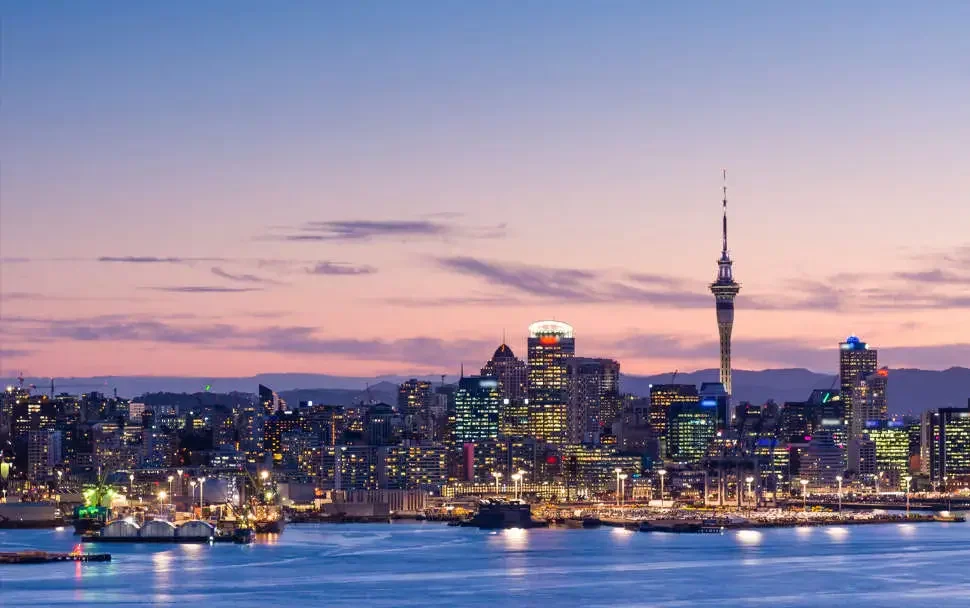
Auckland is the natural starting point for many North Island trips, with harbors, neighborhoods and easy access to the Hauraki Gulf.
A short ferry ride away, Waiheke Island adds vineyards, beaches and a slower pace, making it an easy contrast to the city.
Rotorua & Taupō
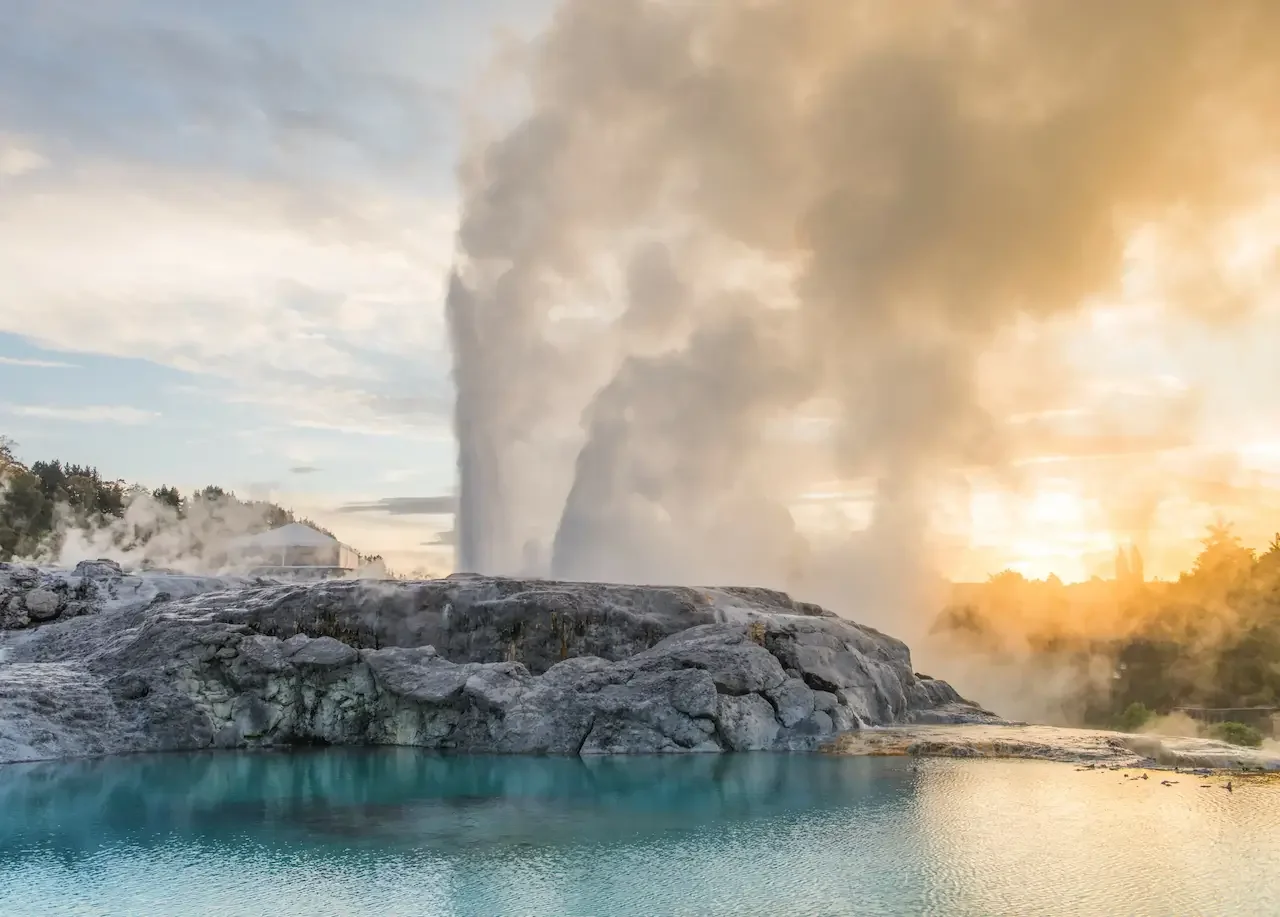
Rotorua and Taupō bring together some of the North Island’s most distinctive landscapes, from geothermal areas and hot springs to lakes and volcanic scenery.
Rotorua is also an important place to engage with Māori culture in a way that adds context to the wider New Zealand journey.
Bay of Islands & Northland
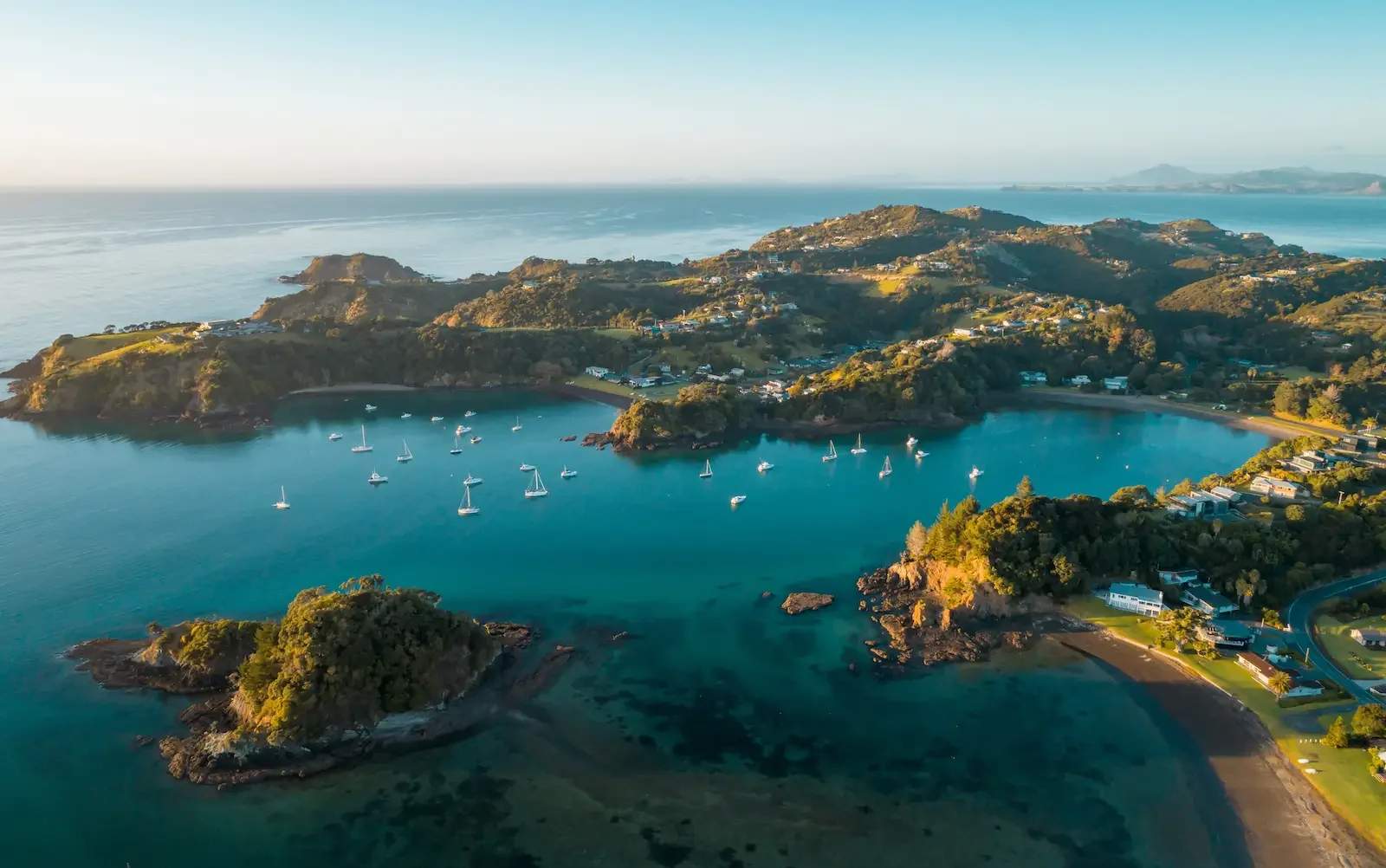
Northland feels noticeably different from the cities farther south, with subtropical coastline, small towns and a strong sense of New Zealand history.
The Bay of Islands works especially well for time on the water, coastal drives and a few slower days at the beginning or end of a trip.
Wellington & Hawke’s Bay
Wellington brings a compact city experience with food, culture and a strong waterfront setting, while Hawke’s Bay adds vineyards, architecture and a more relaxed regional pace.
Together, they show a different side of the North Island from Auckland, Rotorua and the northern coast.
WHEN TO GO
The North Island works well year-round, but the experience changes noticeably with the seasons.
Summer, December to February.
Warmer weather and longer days, making it a strong time for beaches, coastal stays and time on the water, particularly in Northland and the Bay of Islands.
Autumn, March to May.
Especially good for road trips, walking and exploring cities and wine regions, with generally mild conditions and fewer peak-season crowds.
Winter, June to August.
Cooler and wetter in many areas, but it can still work well for city stays, geothermal regions and quieter travel. It is also a good time to combine the North Island with skiing elsewhere in New Zealand.
Spring, September to November.
Just as good for road trips and wine regions, with the same mild conditions and fewer peak-season crowds.
A TASTE OF THE ADVENTURE
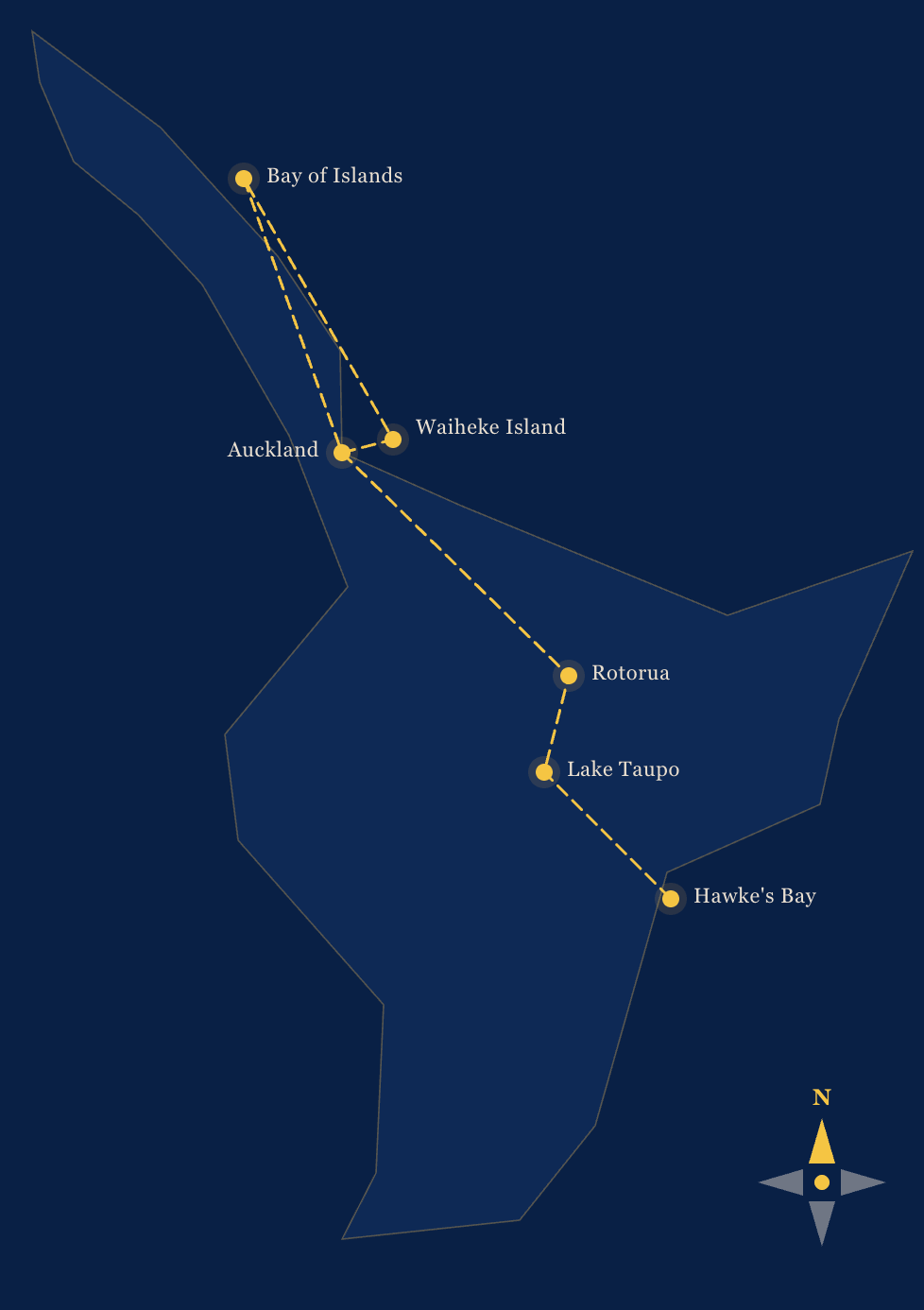
A week gives you enough time to connect several of the North Island’s key regions without making the trip feel overly rushed.
Day 1 Arrive in Auckland and settle in, with time to explore the waterfront or one of the inner-city neighborhoods.
Day 2 Take the ferry to Waiheke Island for vineyards, beaches and a slower pace before returning to Auckland.
Day 3 Travel south to Rotorua, with time in the afternoon or evening to experience the geothermal landscape and Māori culture.
Day 4 Continue through the central North Island, with time around Taupō and the surrounding volcanic scenery.
Day 5 Travel onward to Hawke’s Bay for wine, food and a more relaxed regional pace.
Day 6 Continue to Wellington and spend the afternoon exploring the city and waterfront.
Day 7 Depart from Wellington, or continue into a longer New Zealand itinerary.
GOOD TO KNOW
Entry requirements
Most U.S. passport holders need a New Zealand Electronic Travel Authority before travel. I’ll make sure you know what is required and when to complete it as part of the planning process.
Driving
New Zealand drives on the left. Distances can look short on a map, but road conditions and terrain often mean journeys take longer than expected.
Getting around
A rental car works well for many North Island itineraries, but domestic flights and private transfers can be useful when they make the overall route more efficient.
Pacing
The North Island rewards a route that allows time for both the major stops and the smaller places in between. I’ll help build the itinerary around realistic travel times rather than trying to cover too much.

Let’s plan your trip to the North Island.
Whether you already know which regions interest you or are still working out how the North Island fits into a wider New Zealand trip, I’ll help you shape the itinerary and handle the details.